
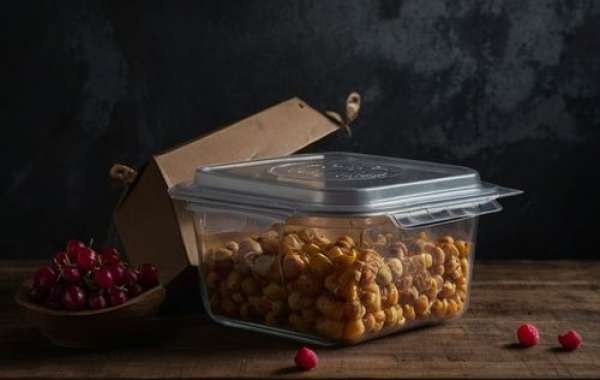
The food packaging market is set to undergo significant transformations by 2031, driven by technological advancements, environmental concerns, and shifting consumer preferences. The future landscape of this industry will be marked by innovative packaging solutions, sustainability efforts, and new regulations aimed at ensuring food safety and reducing waste.
Technological Advancements
Technological innovations are poised to revolutionize the food packaging market. Smart packaging, which includes features like temperature indicators, freshness sensors, and QR codes for product information, is becoming more prevalent. These technologies enhance the consumer experience by providing real-time data about the product’s condition and provenance. Additionally, advancements in materials science are leading to the development of biodegradable and compostable packaging solutions. These materials not only reduce the environmental footprint but also align with the growing consumer demand for sustainable products.
Sustainability and Environmental Concerns
Sustainability is a major driving force in the food packaging market. With increasing awareness of the environmental impact of plastic waste, there is a significant push towards the adoption of eco-friendly materials. Companies are investing in research and development to create packaging that is recyclable, biodegradable, or made from renewable resources. For instance, bioplastics, which are derived from natural sources like corn starch and sugarcane, are gaining popularity as an alternative to traditional plastics. Moreover, the concept of circular economy is being embraced, where packaging is designed for reuse and recycling, thereby minimizing waste and conserving resources.
Regulatory Changes
The regulatory landscape for food packaging is also evolving. Governments and regulatory bodies worldwide are implementing stricter guidelines to ensure the safety and sustainability of food packaging. For example, the European Union’s Circular Economy Action Plan includes measures to make all packaging on the EU market reusable or recyclable by 2030. Similarly, in the United States, the Food and Drug Administration (FDA) is updating its regulations to address the safety of new packaging materials and the potential health risks associated with them. These regulatory changes are driving companies to innovate and adopt safer, more sustainable packaging practices.
Consumer Preferences
Consumer preferences are shifting towards more sustainable and convenient packaging solutions. There is a growing demand for packaging that is not only eco-friendly but also user-friendly. Features such as resealable bags, portion control packaging, and packaging designed for on-the-go consumption are becoming increasingly popular. Moreover, consumers are becoming more conscious of the impact of their purchasing decisions on the environment, leading to a preference for products that use minimal and sustainable packaging.
Market Opportunities and Challenges
The food packaging market presents numerous opportunities for growth and innovation. Companies that invest in sustainable packaging solutions and adopt advanced technologies are likely to gain a competitive edge. However, the industry also faces several challenges. The high cost of developing and implementing new packaging technologies and materials can be a barrier for many companies. Additionally, there are logistical challenges related to the collection and recycling of used packaging, especially in regions with inadequate waste management infrastructure.
Future Outlook
Looking ahead to 2031, the food packaging market is expected to continue its trajectory towards sustainability and innovation. The integration of smart technologies, the adoption of eco-friendly materials, and the implementation of stricter regulations will shape the future of this industry. Companies that stay ahead of these trends and prioritize sustainability will not only meet the demands of increasingly conscious consumers but also contribute to a healthier planet.
In conclusion, the food packaging market of 2031 will be characterized by significant advancements and shifts driven by technology, sustainability, and regulatory changes. The industry will continue to evolve, offering innovative solutions that meet the needs of consumers and the environment alike.