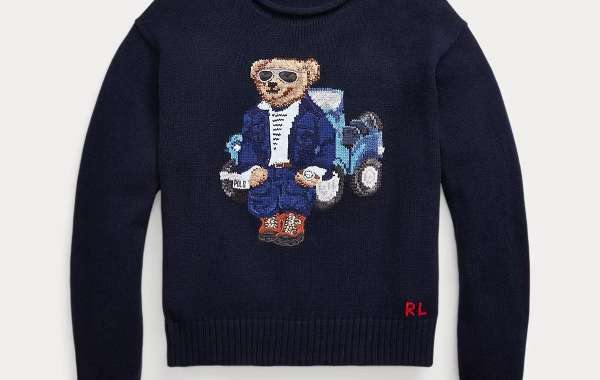
High-end fashion continues to dominate the global fashion industry, with premium clothes collections and luxury clothing consistently setting the tone for what is fashionable. Luxury apparel has moved beyond being a mere reflection of wealth to becoming an integral part of culture, self-expression, and sustainability. As the world of high-end fashion evolves, it shapes both the economic landscape and the consumer’s relationship with clothing in profound ways.
In this extended discussion, we will explore how the future of luxury fashion is changing. From new technological advancements and collaborations to sustainability trends and evolving consumer behavior, high-end fashion is set to influence even more lives across the globe. Let’s dive into what’s next for the world of premium clothes and luxury apparel.
The Future of High-End Fashion: Technological Innovations
Technology is increasingly becoming a key player in the fashion industry, including in the high-end sector. From digital fashion to AI-driven customizations, advancements in technology are transforming the way luxury clothing is designed, produced, and experienced.
1. The Rise of Digital Fashion
Digital fashion is a game-changer for both consumers and designers. With the growing popularity of virtual and augmented reality, digital clothing has begun to gain traction. Consumers are now able to purchase virtual garments to wear on their avatars in online worlds, social media platforms, and gaming environments. Some luxury brands, including Balenciaga, have already embraced this concept, creating virtual versions of their pieces for the digital marketplace.
These digital clothes are designed with the same attention to detail and artistry as their physical counterparts, offering an entirely new avenue for consumers to engage with high-end fashion. Moreover, digital fashion allows for unlimited creativity, where garments can be animated and customized in ways that traditional clothing simply cannot match.
2. Artificial Intelligence and Customization
Artificial intelligence is also making its mark on the luxury fashion industry. From AI-assisted design to machine learning algorithms that predict consumer preferences, high-end fashion houses are beginning to personalize their offerings on a deeper level.
Some luxury brands are using AI to offer bespoke services, where customers can have their garments custom-designed to their specifications. The technology can predict the wearer’s size, shape, and even style preferences, ensuring a perfect fit and design that reflects personal taste. Brands such as Tommy Hilfiger and Burberry have also experimented with AI-driven customization, offering options for bespoke shoes, shirts, and accessories.
3. Smart Fabrics and Wearable Technology
Smart fabrics and wearable technology are making their way into high-end fashion, blending performance and luxury. Imagine garments that adapt to the wearer’s body temperature, monitor health metrics, or change color based on external stimuli—all while maintaining the elegance of traditional luxury apparel.
Smart jackets that adjust to weather conditions, or luxury sneakers with built-in fitness tracking, represent the future of functional fashion. High-end brands are increasingly experimenting with these innovative technologies to merge fashion with technology in new and exciting ways.
The Growing Role of Sustainability in Luxury Fashion
In recent years, sustainability has become a major priority in the world of luxury fashion. As awareness about the environmental impact of fast fashion grows, luxury brands are taking steps to align themselves with eco-conscious practices.
1. Ethical Sourcing and Sustainable Materials
Many high-end fashion houses are shifting toward sustainable materials and ethically sourced fabrics. For instance, Stella McCartney has long been a leader in ethical fashion, using materials like organic cotton, recycled polyester, and plant-based leather in her collections. These fabrics are not only sustainable but also have a reduced environmental impact compared to traditional fashion materials.
Brands like Gucci and Prada are following suit by adopting sustainable production practices. Gucci’s Gucci Equilibrium platform focuses on sustainability initiatives, while Prada’s use of Re-Nylon, a recycled nylon fabric, reflects a commitment to circular fashion. These steps contribute to an eco-friendly future for luxury fashion.
2. The Circular Fashion Movement
Circular fashion is another sustainability initiative gaining momentum in the luxury sector. Unlike the traditional model of linear fashion, where garments are discarded after use, circular fashion focuses on reducing waste through reusing, recycling, and repurposing clothing. High-end brands like Burberry and Chanel have started to implement circular design principles in their collections.
Circular fashion includes practices like repair services, where garments are fixed and refurbished to extend their lifespan, and resale platforms, where pre-owned luxury items can be resold and reused. Luxury vintage shopping has become a growing trend, with consumers seeking out rare, high-quality garments from previous seasons or discontinued collections.
3. Transparency and Ethical Production
Consumers are becoming increasingly interested in the origins of their clothing. They want to know where their garments are made, how they are produced, and the ethical standards involved. High-end fashion brands are responding by offering greater transparency in their production processes.
Brands like Patagonia have long been known for their commitment to ethical practices, and luxury labels are beginning to follow suit. By embracing fair labor practices, ensuring ethical sourcing of materials, and supporting local communities, these brands are creating an industry shift that prioritizes both luxury and sustainability.
How Social Media and Influencers are Shaping High-End Fashion
Social media has revolutionized the fashion industry, particularly when it comes to high-end fashion. Platforms like Instagram, TikTok, and YouTube allow luxury brands to reach a vast global audience, while fashion influencers help create demand for premium clothes.
1. The Power of Influencers
Luxury brands have long relied on celebrity endorsements and high-profile brand ambassadors, but now influencers play a pivotal role in shaping trends. Fashion bloggers, social media influencers, and celebrities have become key figures in the marketing strategies of high-end fashion houses.
Through strategic collaborations, influencers help brands engage with younger, tech-savvy consumers who value both fashion and social media presence. Kendall Jenner for Balenciaga and Bella Hadid for Versace are prime examples of how influencers are reshaping the landscape of high-end fashion. Their posts showcase luxury items in everyday settings, making them more relatable and desirable to a wider audience.
2. Social Media as a Sales Platform
Instagram, with its emphasis on visual content, has become the primary platform for luxury brands to showcase their latest collections. This social media-driven marketing has led to an increase in direct-to-consumer sales, allowing brands to bypass traditional retail channels.
Brands like Chanel and Louis Vuitton now release exclusive collections or collaborations directly on Instagram, driving immediate sales and engagement. This shift in marketing strategies is creating a new way for luxury fashion to interact with consumers, providing real-time access to collections and limited-edition items.
3. The Rise of Luxury Resale Marketplaces
Social media has also played a role in the growth of luxury resale marketplaces. Platforms like The RealReal, Vestiaire Collective, and Depop allow consumers to buy and sell pre-owned luxury fashion items, making high-end clothing more accessible while promoting sustainability.
These platforms have created a thriving secondhand luxury market, where consumers can find rare and vintage items, including limited edition bags, designer shoes, and high-quality couture garments. Resale marketplaces allow collectors to access pieces they might have missed or afford items that were previously out of reach.
High-End Fashion’s Intersection with Cultural Movements
High-end fashion has always been a reflection of culture and social movements, and today, this relationship continues to evolve. The intersection of premium clothes and luxury apparel with cultural trends plays a crucial role in shaping the industry’s future.
1. Inclusivity and Diversity
The fashion industry, particularly high-end fashion, has faced increasing pressure to embrace inclusivity and diversity. Luxury brands are now reflecting this shift by creating more inclusive sizing, showcasing models from diverse backgrounds, and promoting fashion for all body types.
For example, Fenty by Rihanna has set a new standard for inclusivity in the fashion industry, offering a wide range of sizes and promoting diversity in their campaigns. Other luxury houses like Balmain and Dolce & Gabbana are also embracing this shift, reflecting the demand for more diverse representations in fashion.
2. Gender Fluidity and Fashion
Another movement gaining momentum in luxury fashion is gender fluidity. High-end brands are increasingly embracing non-binary and gender-neutral clothing, breaking down traditional barriers between men’s and women’s fashion. Telfar and Louis Vuitton, for instance, have incorporated gender-fluid collections that allow consumers to express their identity without being confined to traditional gender norms.
This shift reflects a broader cultural acceptance of fluidity in gender, with fashion acting as a powerful tool for self-expression and identity.
Conclusion: The Future of High-End Fashion Is Bright
High-end fashion continues to evolve, influenced by technological advancements, sustainability initiatives, and cultural movements. From digital fashion and AI-driven customization to a renewed focus on sustainability and diversity, the luxury fashion world is experiencing a transformation. As high-end fashion adapts to these changes, it will remain a powerful tool for self-expression, a symbol of status, and an investment in artistry and craftsmanship.
Whether it’s the growing influence of social media, the rise of sustainable practices, or the inclusion of technological innovations, premium clothes and luxury apparel are becoming more accessible, dynamic, and relevant to today’s consumers. As the boundaries between high fashion and everyday life continue to blur, luxury clothing will remain a powerful, defining force in the world of fashion.
FAQs
How can I keep my luxury items looking pristine? To maintain luxury clothing, always follow care instructions, clean your garments professionally when needed, and store them in proper conditions (e.g., in a dust bag or on padded hangers). Be cautious with excessive handling and wear.
Can I buy luxury fashion online? Yes! Many luxury brands have official online stores, and several third-party retailers like Net-A-Porter, Farfetch, and MatchesFashion offer curated selections of premium clothes.
What is circular fashion in high-end fashion? Circular fashion is a model where items are made to last, reused, and recycled. High-end fashion brands are increasingly adopting this model to reduce waste and promote sustainability.
Are there luxury brands that focus on sustainability? Yes, several luxury brands are committed to sustainability. For example, Stella McCartney, Gucci, and Patagonia are known for their efforts to incorporate eco-friendly materials and ethical practices in their collections.
How is social media influencing luxury fashion trends? Social media has revolutionized luxury fashion by providing brands with a direct-to-consumer platform and enabling influencers to shape trends. Instagram and TikTok, for instance, are key spaces for luxury brands to showcase collections and connect with consumers.