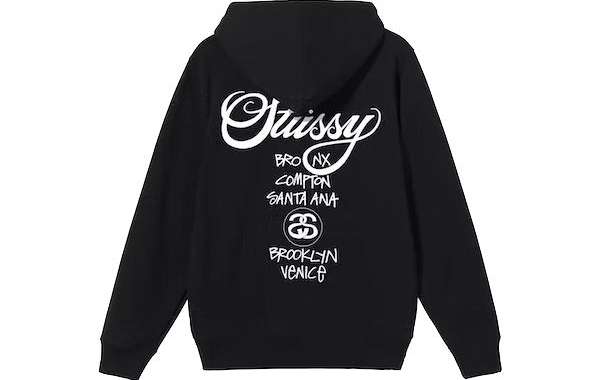
The world of fashion is constantly evolving, influenced by cultural shifts, artistic expression, and innovative ideas. One of the most transformative movements in contemporary fashion is streetwear—a genre born from skateboarding, hip-hop, and surf culture. Among the pioneers of streetwear, Stüssy stands out as a defining force that not only revolutionized casual apparel but also reshaped global fashion trends. This article explores the evolution of streetwear and how Stüssy played a pivotal role in its rise to prominence.
The Roots of Streetwear Culture
Streetwear emerged in the late 1970s and early 1980s as a grassroots movement in urban communities. It was less about following established fashion norms and more about expressing individuality through comfortable, versatile clothing. At its core, streetwear was a blend of skateboarding aesthetics, graffiti art, punk rock, and hip-hop influences.
Streetwear’s ethos was anti-establishment and accessible, celebrating DIY fashion through customized T-shirts, hoodies, and sneakers. These designs often bore bold graphics, slogans, or logos that resonated with youth culture. While several brands were experimenting with streetwear’s nascent form, Stüssy was among the first to bring a cohesive vision to the style, bridging subcultures and establishing a blueprint for the genre.
Stüssy: The Birth of a Streetwear Icon
Shawn Stüssy, a surfboard shaper from Laguna Beach, California, unintentionally sparked a fashion revolution in the early 1980s. What started as a hobby—printing his signature on T-shirts to promote his surfboards—quickly grew into a brand with global appeal. By 1984, Shawn partnered with Frank Sinatra Jr. (unrelated to the legendary singer) to formalize the business, and Stüssy was born.
From the outset, Stüssy was unique in its ability to blur the lines between surfwear and streetwear. The brand’s bold logo, inspired by Shawn Stüssy’s graffiti-style signature, became a hallmark of its identity. Its early collections featured graphic tees, bucket hats, and baggy silhouettes, catering to skaters, surfers, and musicians alike. Stüssy’s designs exuded a sense of effortlessness, capturing the laid-back vibe of California while embracing the edginess of urban street culture.
The 1990s: From Subculture to Global Phenomenon
The 1990s marked a pivotal period in streetwear’s evolution, with Stüssy leading the charge. The brand’s ability to cross cultural boundaries was a key factor in its success. As hip-hop gained mainstream recognition and skateboarding culture expanded, Stüssy became a symbol of authenticity for those seeking to align with these movements.
Stüssy achieved this by collaborating with influential figures and adopting an inclusive approach. DJs, skateboarders, graffiti artists, and rappers all gravitated toward the brand, helping it gain organic visibility. Notably, Stüssy formed an elite network called the International Stüssy Tribe (IST), a group of creatives and tastemakers who spread the brand’s influence globally. Members of the IST wore Stüssy apparel with pride, further solidifying its status as a cultural cornerstone.
During this decade, streetwear began to attract the attention of high fashion, and Stüssy stood at the forefront of this convergence. The brand’s collaborations with avant-garde designers and luxury retailers laid the groundwork for what would later become a defining feature of streetwear: the fusion of luxury and casual style.
The Early 2000s: Streetwear Meets Luxury
As the new millennium dawned, streetwear entered its second wave of evolution, marked by its growing overlap with high fashion. Stüssy, by now a well-established global brand, continued to innovate while maintaining its authentic roots. Its success inspired other streetwear labels, including Supreme, BAPE, and Off-White, to follow similar paths.
One of the defining aspects of this era was the rise of collaborations. Stüssy partnered with brands like Nike, Carhartt, and Levi’s, creating limited-edition collections that became instant classics. These partnerships elevated streetwear from niche subculture to mainstream fashion, making it a sought-after style for both enthusiasts and luxury consumers.
Additionally, the concept of exclusivity became a cornerstone of streetwear culture, with limited releases (often referred to as “drops”) creating a sense of urgency and desirability. Stüssy mastered this approach, with its collections selling out almost instantly and generating buzz worldwide. This strategy not only boosted sales but also reinforced the brand’s status as a trendsetter.
Stüssy’s Influence on Contemporary Streetwear
Today, streetwear is a global industry valued in the billions, with its influence extending far beyond clothing. From sneakers to accessories, streetwear aesthetics have permeated music, art, and even technology. Stüssy’s contributions to this cultural shift are undeniable.
Logo Culture: Stüssy popularized the use of bold, recognizable logos in streetwear, setting a precedent for modern brands like Supreme and Off-White. The Stüssy logo itself remains an enduring symbol of cool.
Collaboration as Art: Stüssy’s early collaborations demonstrated the potential of blending different creative visions. This practice has since become a hallmark of streetwear, with brands like Nike and Louis Vuitton embracing collaborative projects.
Cultural Crossover: Stüssy’s ability to unify diverse subcultures—skateboarding, surfing, hip-hop, and punk—helped streetwear gain widespread appeal. This inclusivity is now a defining characteristic of the genre.
Sustainability and Timeless Design: Stüssy has managed to stay relevant for decades by focusing on quality and timeless aesthetics. Its designs avoid fleeting trends, ensuring longevity in a fast-paced industry.
The Future of Stüssy and Streetwear
As streetwear continues to evolve, Stüssy remains a relevant and influential force. The brand’s recent collaborations, such as partnerships with Dior and Our Legacy, highlight its ability to adapt while staying true to its roots. These projects also reflect the growing intersection of streetwear and luxury fashion, a trend that shows no signs of slowing down.
Moreover, the rise of sustainability in fashion presents new opportunities for Stüssy. As consumers demand eco-friendly practices, brands like Stüssy are poised to lead by example, leveraging their legacy to inspire responsible innovation.
The story of Stüssy
The story of Stüssy is a testament to the power of authenticity and cultural connection in shaping fashion trends. From its humble beginnings as a surfwear brand to its status as a global icon, Stüssy has not only defined streetwear but also influenced the broader fashion industry. Its legacy lives on in the countless brands it has inspired and the millions of people who continue to embrace its ethos.
As streetwear evolves into the future, Stüssy’s impact remains undeniable—a reminder that the most enduring styles are born not from following trends, but from creating movements.