
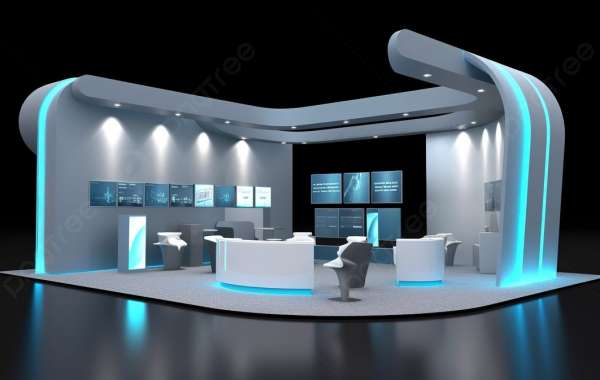
In the modern era, sustainability has become a key consideration for businesses across industries. This shift extends to trade shows and exhibitions, where companies are increasingly prioritizing eco-friendly practices. Frankfurt, a global hub for trade fairs like Ambiente, Automechanika, and Light + Building, is no exception. The city’s reputation for innovation and efficiency makes it an ideal location for showcasing sustainable exhibition practices. Designing a sustainable exhibition stand not only reflects your commitment to environmental responsibility but also enhances your brand's image among environmentally conscious attendees.
Sustainable stand design focuses on reducing environmental impact while maintaining aesthetic appeal and functionality. Here’s everything you need to know about designing sustainable exhibition stands in Frankfurt.
1. Why Sustainability Matters in Exhibition Stand Design
Sustainability in exhibition stand design is more than a trend; it is a necessity driven by global environmental challenges and increasing consumer awareness. Exhibitions generate significant waste, from discarded materials to energy consumption during events. Opting for sustainable practices can help mitigate this impact and align your brand with eco-conscious values.
Key benefits of sustainable exhibition stand design include:
- Environmental Responsibility: Reducing waste, energy usage, and carbon emissions contributes to a healthier planet.
- Brand Reputation: Demonstrating your commitment to sustainability can enhance your brand image, appealing to environmentally conscious clients and partners.
- Cost Efficiency: Sustainable materials and reusable stand components can reduce costs over time.
- Regulatory Compliance: Many exhibition venues, including those in Frankfurt, encourage or require exhibitors to adopt sustainable practices.
By adopting eco-friendly practices, your stand design can become a powerful statement of your brand’s commitment to sustainability.
2. Eco-Friendly Materials for Stand Construction
Choosing sustainable materials is a cornerstone of eco-friendly exhibition stand design. Traditional materials like PVC and single-use plastics have significant environmental impacts, but many alternatives offer durability, aesthetic appeal, and lower ecological footprints.
Some eco-friendly material options include:
- Bamboo and Recycled Wood: These materials are renewable, biodegradable, and visually appealing, making them ideal for structural components or decorative accents.
- Recycled Aluminum and Steel: Lightweight, durable, and recyclable, these metals are perfect for framing and modular systems.
- Eco-Boards and Cardboard: High-strength cardboard or eco-boards made from recycled fibers are excellent for creating lightweight, portable displays.
- Biodegradable Fabrics: Use fabrics made from organic cotton, hemp, or recycled polyester for banners, backdrops, and upholstery.
- Low-VOC Paints and Adhesives: Select paints and adhesives with low volatile organic compound (VOC) content to reduce harmful emissions during and after construction.
By carefully selecting materials, you can minimize your stand’s environmental impact without compromising design quality or functionality.
3. Modular and Reusable Stand Designs
Modular and reusable stands are a game-changer for sustainable exhibition design. These designs allow you to create versatile structures that can be adapted and reused for multiple events, significantly reducing waste and long-term costs.
Advantages of modular and reusable designs include:
- Flexibility: Modular systems can be reconfigured to suit different exhibition spaces and layouts.
- Cost Savings: Reusing components reduces the need for new materials for each event.
- Ease of Transport: Lightweight modular components are easier to transport, reducing carbon emissions associated with logistics.
- Durability: High-quality modular systems are built to last, ensuring multiple uses over several years.
Investing in a modular exhibition stand is a practical step toward sustainable practices while maintaining creative freedom in design.
4. Energy-Efficient Lighting and Technology
Lighting is a crucial element of any exhibition stand, but traditional lighting systems can consume significant amounts of energy. Opting for energy-efficient lighting solutions reduces your stand’s carbon footprint and operating costs.
Consider these sustainable lighting options:
- LED Lighting: LED lights consume up to 80% less energy than traditional incandescent bulbs and last significantly longer, making them a cost-effective and eco-friendly choice.
- Solar-Powered Lights: Integrate solar panels to power your lighting system, especially for outdoor exhibition spaces.
- Motion Sensors and Timers: Install motion sensors or timers to ensure lights are only in use when needed, minimizing unnecessary energy consumption.
Additionally, use energy-efficient technology for interactive displays and other digital components. Choose devices with low power consumption or opt for equipment that can be powered by renewable energy sources.
5. Reducing Waste During Construction and Dismantling
The construction and dismantling phases of an exhibition stand can generate significant waste. Implementing strategies to minimize waste is essential for a truly sustainable approach.
Here’s how you can reduce waste:
- Pre-Fabrication: Use pre-fabricated components that are assembled on-site, reducing construction waste.
- Material Recycling: Partner with local recycling facilities to ensure leftover materials, such as wood, metal, and fabric, are properly recycled.
- Deconstruction vs. Demolition: Design your stand for easy disassembly so that components can be reused or recycled instead of discarded.
- Digital Prototypes: Use digital modeling software to plan your design and minimize material wastage during the construction phase.
By prioritizing waste reduction, you can significantly lessen your environmental impact and contribute to a circular economy.
6. Engaging Visitors with Sustainable Messaging
Sustainability is not just about the materials and design; it’s also about communicating your eco-conscious values to your audience. Your exhibition stand can serve as an educational tool that highlights your commitment to sustainability.
Ways to engage visitors with sustainable messaging include:
- Interactive Displays: Use digital screens or touchscreens to share your sustainability initiatives, such as eco-friendly manufacturing processes or carbon offset programs.
- Storytelling: Incorporate visuals and storytelling elements that showcase your brand’s journey toward sustainability.
- Eco-Friendly Giveaways: Provide visitors with sustainable promotional items, such as reusable water bottles, tote bags, or seed packets, to reinforce your message.
- Certifications and Accreditations: Display certifications, such as LEED or FSC, to validate your commitment to sustainability.
When visitors see your dedication to eco-friendly practices, they’re more likely to associate your brand with positive values and long-term vision.
7. Collaborating with Experts in Sustainable Design
Partnering with experts who specialize in sustainable exhibition stand design can streamline the process and ensure the best results. Many professional design companies in Frankfurt are well-versed in eco-friendly practices and can help you create a stand that aligns with your sustainability goals.
Benefits of collaborating with experts include:
- Access to Sustainable Materials: They can source eco-friendly materials and recommend sustainable alternatives.
- Innovative Design Solutions: Experienced designers can balance creativity with sustainability, creating a visually appealing stand that minimizes environmental impact.
- Compliance with Local Regulations: Local experts are familiar with Frankfurt’s environmental policies and exhibition venue requirements, ensuring your stand meets all standards.
By working with a knowledgeable partner, you can simplify the process of designing a sustainable stand while achieving maximum impact.
Conclusion
Designing sustainable exhibition stands in Frankfurt is both an opportunity and a responsibility for modern businesses. By choosing eco-friendly materials, incorporating modular designs, using energy-efficient lighting, and reducing waste, you can create an impactful and environmentally responsible stand that aligns with your brand’s values.
Sustainability not only benefits the environment but also enhances your brand image, helping you connect with eco-conscious audiences and stand out in a competitive market. Whether you’re showcasing products at Ambiente, Automechanika, or another major trade fair in Frankfurt, adopting sustainable practices ensures that your presence leaves a positive impression—on both visitors and the planet.