Logistics, the backbone of global commerce, involves a complex network of processes from warehousing and transportation to distribution and delivery. While efficiency and cost-effectiveness often take center stage, safety should be an equally prioritized concern. The inherent risks associated with logistics, encompassing everything from warehouse accidents to transportation mishaps, can lead to significant financial losses, reputational damage, and, most importantly, serious injuries or fatalities. Therefore, implementing robust safety best practices throughout the supply chain is not merely a regulatory requirement, but a moral imperative and a crucial element of sustainable business success. This article explores several key areas where best practices can significantly reduce risks and enhance the safety of logistics operations.
Fostering a Strong Safety Culture
A strong safety culture is the foundation upon which all other safety initiatives are built. It's about cultivating an environment where safety is not just a set of rules and procedures, but a deeply ingrained value that guides every decision and action. This starts with leadership commitment, where management actively champions safety by investing in training, providing resources, and consistently communicating the importance of safe practices. Furthermore, empowering employees to identify and report hazards without fear of reprisal is crucial. Regular safety meetings, toolbox talks, and feedback mechanisms encourage open communication and continuous improvement. Recognizing and rewarding safe behaviors, rather than solely focusing on disciplinary actions for violations, can further reinforce a positive safety culture. A proactive, rather than reactive, approach to safety is paramount, encouraging the identification and mitigation of potential hazards before they lead to incidents.
Optimizing Warehouse Safety Protocols
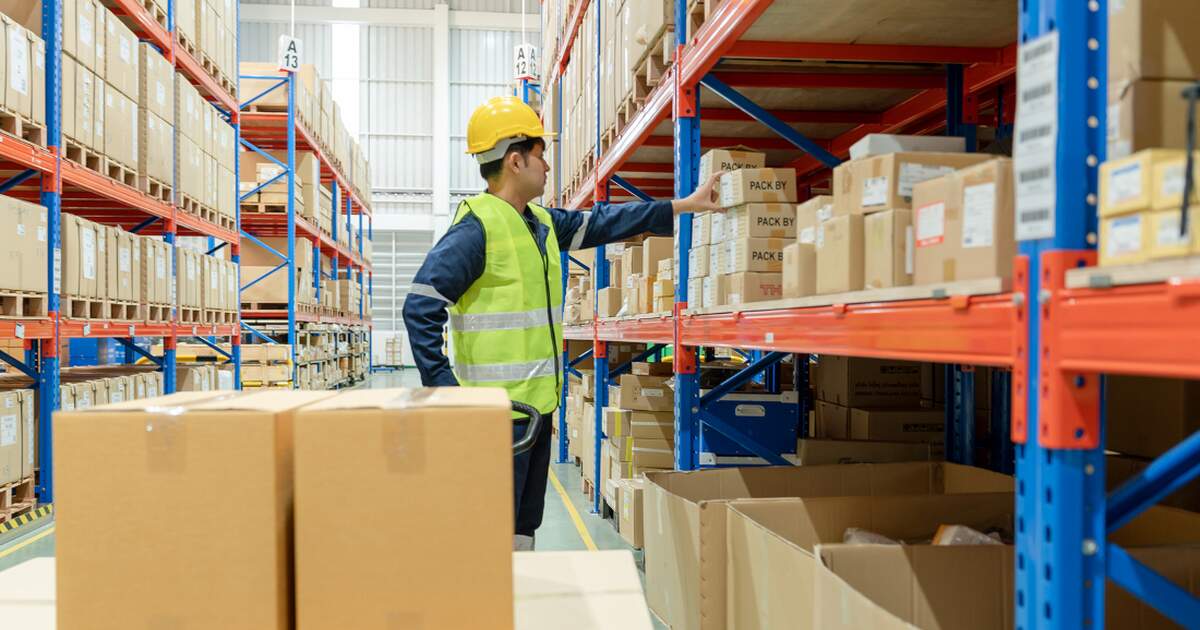
Warehouses, often bustling hubs of activity, present numerous safety hazards. Implementing stringent safety protocols is essential to minimize risks. Proper storage and handling of materials are paramount, requiring clear labeling, secure stacking, and adherence to weight limits. Forklifts, a common source of warehouse accidents, should be operated only by trained and certified personnel, with regular inspections and maintenance to ensure their safe functioning. Designated pedestrian walkways, clearly marked with high-visibility paint, are vital to separate foot traffic from machinery. Furthermore, comprehensive fire Search best practices measures, including fire suppression systems, emergency exits, and regular fire drills, are non-negotiable. Proper lighting and ventilation are also important considerations for maintaining a safe and comfortable working environment.
Enhancing Transportation Safety Measures
Transportation, whether by road, rail, air, or sea, is inherently associated with risk. Optimizing transportation safety requires a multifaceted approach. Driver safety is paramount, necessitating rigorous screening processes, comprehensive training programs (including defensive driving techniques and fatigue management), and regular medical evaluations. Vehicle maintenance is equally crucial, with scheduled inspections and repairs to ensure optimal performance and prevent mechanical failures. The use of technology, such as telematics systems, can provide valuable data on driver behavior, vehicle performance, and route optimization, enabling proactive identification and mitigation of risks. Furthermore, adhering to load limits, securing cargo properly, and complying with all relevant traffic regulations are essential for safe transportation.
Leveraging Technology for Risk Mitigation
Technology offers powerful tools for enhancing safety across the entire logistics chain. Warehouse management systems (WMS) can optimize storage locations, track inventory, and minimize unnecessary movement, thereby reducing the risk of accidents. Transportation management systems (TMS) can plan optimal routes, monitor driver performance, and provide real-time visibility into shipments, allowing for proactive intervention in case of delays or emergencies. Furthermore, sensor technology and the Internet of Things (IoT) can be used to monitor environmental conditions, track the location of assets, and detect potential hazards, such as temperature fluctuations or equipment malfunctions. Implementing drone technology for warehouse inspections or delivery in remote areas can further reduce human risk exposure.
Implementing Robust Training Programs
Comprehensive training programs are the cornerstone of a safe logistics operation. Training should be tailored to the specific roles and responsibilities of employees, covering all relevant safety procedures, equipment operation, and emergency response protocols. Regular refresher courses are essential to reinforce knowledge and address any emerging safety concerns. Training should also incorporate hazard recognition, risk assessment, and incident reporting procedures. Furthermore, specialized training may be required for handling hazardous materials, operating specialized equipment, or working in specific environments. Effective training programs are not just about imparting information; they are about fostering a safety-conscious mindset and empowering employees to make informed decisions that prioritize safety.
Establishing Clear Emergency Response Plans
Despite best efforts to prevent accidents, emergencies can still occur. Having a well-defined and regularly practiced emergency response plan is critical for minimizing the impact of such events. The plan should clearly outline procedures for responding to various emergencies, such as fires, spills, accidents, and natural disasters. It should also designate specific roles and responsibilities for different individuals, ensuring a coordinated and effective response. Regular drills and simulations are essential to familiarize employees with the plan and identify any areas for improvement. Communication is key during an emergency, so the plan should also include protocols for notifying relevant authorities, employees, and stakeholders.
Continuously Monitoring and Improving Safety Performance
Safety is not a static goal; it requires continuous monitoring, evaluation, and improvement. Regular audits and inspections should be conducted to identify potential hazards and assess the effectiveness of existing safety measures. Incident reporting and investigation procedures should be in place to thoroughly analyze the root causes of accidents and near misses, and to implement corrective actions to prevent recurrence. Performance metrics, such as incident rates, near-miss reporting frequency, and safety training completion rates, should be tracked and analyzed to identify trends and areas for improvement. By continuously monitoring and improving safety performance, logistics companies can create a safer and more efficient working environment, reduce risks, and protect their employees, assets, and reputation. In conclusion, prioritizing safety through a comprehensive and proactive approach is not just a best practice in logistics; it is a fundamental responsibility that underpins the success and sustainability of the entire supply chain.