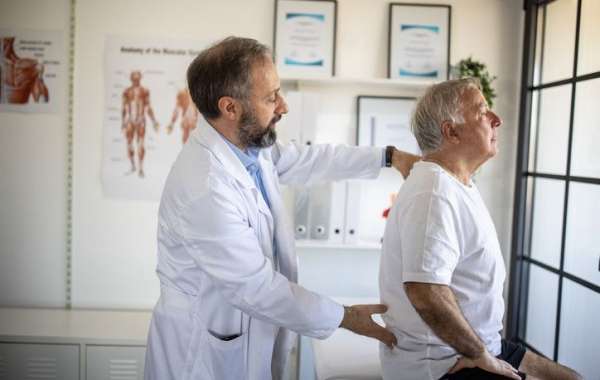
Teenagers today are more active and more digitally connected than ever before. But with that energy and hustle often comes something unwanted: pain. From sports injuries to screen-time strain, headaches, and chronic conditions many teens in the U.S. are dealing with discomfort that disrupts their daily lives.
Pain isn’t just an issue for adults. In fact, studies show teens frequently face physical issues like back pain, migraines, joint discomfort, and more but often don’t know where to turn for safe, affordable, and fast-working solutions. That’s where go-to pain relief treatments come in.
In this guide, we break down the most effective and teen-friendly pain relief methods, so teens and their families can make smart, safe, and affordable choices without overusing or misusing medications.
Understanding Teen Pain: What’s Really Going On?
Pain in teenagers is often caused by:
- Sports injuries (strains, sprains, bruises)
- Postural stress from school backpacks or poor desk setups
- Growing pains or hormonal shifts
- Mental health factors like stress, anxiety, and sleep problems
- Repetitive movements (from gaming, texting, or musical instruments)
These problems are common, but they don’t have to become long-term issues. The key is early treatment and choosing the right remedy.
What Makes a Pain Treatment “Teen-Approved”?
When it comes to teens, pain relief needs to be:
Safe for young bodies
Non-addictive when possible
Easily available in the U.S.
Fast-acting but not overwhelming
Approved by doctors or recommended by specialists
Now let’s explore the go-to methods that actually work.
1. Over-the-Counter (OTC) Pain Relievers
Accessible Relief for Everyday Pain
One of the most common and effective solutions for minor to moderate pain is OTC medications like:
- Ibuprofen (Advil)
- Acetaminophen (Tylenol)
- Naproxen (Aleve)
These are ideal for:
- Headaches and migraines
- Menstrual pain
- Muscle or joint soreness
- Dental pain or minor injuries
Most OTC options are affordable and can be found in every U.S. pharmacy, making them ideal first-line treatments for teens.
2. Physical Therapy and Teen-Focused Exercise
Movement That Heals
Some types of pain, especially those from poor posture or sports respond best to physical therapy. Teen-centered physical therapy focuses on:
- Gentle stretching and strengthening
- Posture correction
- Improving body awareness
- Injury recovery plans
These services are often covered by insurance and can even be done at home with app-based guidance or virtual appointments.
3. Natural and Non-Drug Remedies
Safe Alternatives for Teens
For teens (and parents) who prefer to avoid meds, the following natural options can offer real relief:
- Heat therapy (heating pads, warm baths) for cramps or back pain
- Cold packs for sprains or swelling
- Aromatherapy with lavender or peppermint oil for headaches
- Herbal teas like chamomile or ginger for tension and stomach discomfort
These methods are low-risk and perfect for early-stage or mild pain.
4. Mind-Body Techniques That Actually Work
Because Mental Stress Causes Physical Pain
Many teens deal with pain linked to stress, anxiety, or lack of sleep. Helping the body relax can actually reduce or eliminate pain.
Try:
- Meditation and breathwork apps (Headspace, Calm)
- Guided relaxation or sleep stories
- Journaling emotions
- Light movement like yoga or tai chi
These are free or low-cost and empower teens to manage pain from the inside out.
5. Topical Pain Creams and Gels
Spot-Relief with No Swallowing Involved
If your teen hates pills, try topical pain relievers like:
- IcyHot
- Biofreeze
- Voltaren Gel
These creams are applied directly to sore muscles or joints and work by reducing inflammation or numbing the area.
6. When Prescriptions Are the Right Call
For Chronic or Severe Teen Pain
In some cases, OTC or natural methods aren’t enough, especially if the pain is linked to a medical condition, post-surgical recovery, or severe injuries.
In these cases, a doctor may prescribe stronger medications, such as Oxycodone, which is a controlled painkiller used under strict medical supervision. When prescribed, teens or their caregivers may access these medications through secure, approved pharmacies offering Oxycodone online services.
7. Telehealth: The Digital Way to Access Care
Pain Help from Your Couch
Many U.S. teens and parents are turning to telehealth platforms for affordable, fast help. Online clinics now offer:
- Virtual pain consultations
- Access to certified pain doctors
- Affordable prescriptions
- Advice for safe home treatment
For those prescribed long-term or advanced pain relief, it’s possible to buy Oxycontin online through these platforms with full privacy and legal compliance.
Again, this should only be done under doctor supervision to ensure teen safety.
8. Pain-Preventing Habits for Teens
Stop Pain Before It Starts
Prevention is key, especially for busy teens. Here are small habits that can make a big impact:
- Drink more water (dehydration causes headaches!)
- Stretch after workouts or long screen time
- Wear supportive shoes
- Use ergonomic school setups
- Get 7–9 hours of sleep nightly
Consistency here often reduces the need for treatments down the road.
9. Affordable Pain Relief Tips for U.S. Families
Because Budget Matters Too
Pain relief doesn’t have to be expensive. Teens and their families can try these U.S.-based options:
- Use pharmacy discount apps like GoodRx
- Look into school health plans or local clinics
- Buy generic brands over name-brand meds
- Check for coupons on official medication websites
- Ask doctors for cheaper medication alternatives
Final Thoughts: Teens Deserve Safe, Reliable Relief
Pain doesn’t have an age limit. Whether it’s a sports injury, stress-related tension, or an ongoing health issue, teens deserve access to real pain relief that fits their needs and lifestyle.
From stretching and journaling to OTC meds and carefully prescribed medications, the right treatment depends on the situation. With options like Oxycodone online services and the ability to buy Oxycontin online through licensed digital pharmacies, pain relief has never been more accessible but it’s essential to keep safety and medical guidance as the top priority.
Every teen deserves to live pain-free and fully engaged in school, sports, and life and now, they can.