
Spray foam insulation is one of the most effective and efficient ways to improve a home's energy efficiency and overall comfort. While insulation may seem like a basic home improvement, it can have a significant impact on a property’s value. By enhancing energy performance, increasing durability, and reducing maintenance costs, spray foam insulation contributes to a higher resale value. In this article, we will explore seven key ways that spray foam insulation increases your home's value.
1. Enhanced Energy Efficiency
Spray foam insulation provides superior energy efficiency by sealing gaps and cracks in walls, ceilings, and floors. Unlike traditional insulation, spray foam expands upon application, filling every nook and cranny, which creates a tight, air-resistant seal. This minimizes heat transfer, keeping homes cooler in the summer and warmer in the winter.
Energy Efficiency Comparison: Spray Foam vs. Traditional Insulation
Insulation Type | R-Value (per inch) | Air Barrier | Energy Savings Potential |
Spray Foam Insulation | 6.5 – 7 | Excellent | High |
Fiberglass Batt | 3.0 – 4.0 | Poor | Moderate |
Cellulose Insulation | 3.5 | Fair | Moderate |
Spray foam insulation significantly outperforms traditional insulation materials in both R-value and energy savings, making it a more valuable investment for homeowners.
2. Increased Property Market Appeal

Homes with energy-efficient features are increasingly in demand as buyers become more energy-conscious. Homes with high R-value insulation like spray foam can be marketed as energy-efficient, which is an attractive feature to prospective buyers. The energy savings provided by spray foam insulation can help reduce monthly utility bills, making the home more cost-effective in the long term.
- Market Data: Studies show that homes with energy-efficient features, such as spray foam insulation, can sell for up to 10% more than similar properties without these features. This makes it a wise investment for homeowners looking to increase their property’s resale value.
3. Improved Indoor Comfort
One of the most immediate benefits of spray foam insulation is improved comfort. Spray foam prevents drafts and maintains a more consistent temperature throughout the home. This reduces the need for constant temperature adjustments and can make the living environment more comfortable year-round.
- Bonus Tip: For optimal comfort, spray foam insulation can be used in both attic spaces and wall cavities to eliminate cold spots and heat loss, further enhancing the overall feel of the home.
4. Long-Term Durability
Spray foam insulation is durable and can last for the lifetime of the home. It does not sag or settle over time, ensuring that its effectiveness in insulating the home remains intact. This longevity is particularly beneficial for homebuyers who value low-maintenance living spaces.
Durability Comparison: Spray Foam vs. Other Insulation Types
Insulation Type | Lifespan | Maintenance Requirements | Durability Rating |
Spray Foam Insulation | 80+ years | Minimal | High |
Fiberglass Batt | 20 – 30 years | Moderate | Medium |
Cellulose Insulation | 20 – 30 years | High | Medium |
Spray foam insulation stands out for its ability to last for decades without needing replacement or significant maintenance, adding to the overall value of a home.
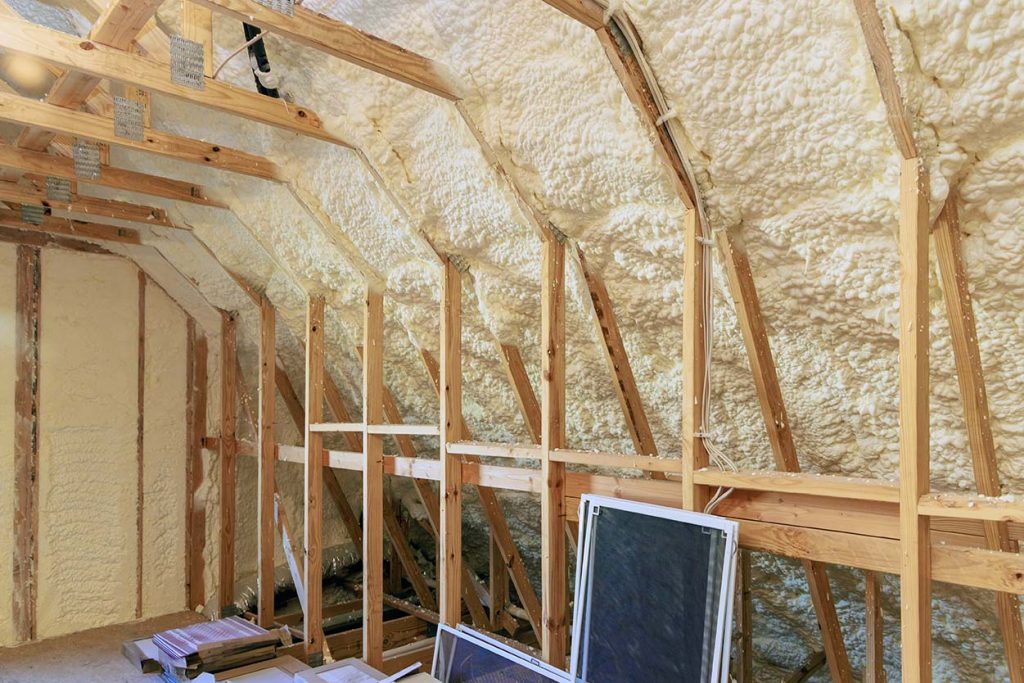
5. Reduction in Moisture and Mold Growth
Spray foam insulation acts as a barrier against moisture, which helps to prevent the growth of mold and mildew. This is especially important in areas like basements, attics, and crawlspaces, where excess moisture can lead to structural damage and health issues.
- Bonus Tip: By preventing moisture buildup, spray foam insulation can help protect the home’s foundation and framing from water damage, which is a key selling point for prospective buyers.
6. Noise Reduction and Soundproofing
Spray foam insulation not only reduces heat transfer but also provides effective soundproofing. The dense material blocks noise from the outside, creating a quieter and more peaceful indoor environment. This is particularly advantageous for homes located in noisy neighborhoods or near busy streets.
Soundproofing Effectiveness: Spray Foam vs. Other Insulation Types
Insulation Type | Soundproofing Effectiveness | Ideal Use Case |
Spray Foam Insulation | Excellent | Homes in noisy areas |
Fiberglass Batt | Moderate | General sound absorption |
Cellulose Insulation | Fair | Basic noise reduction |
Spray foam insulation provides superior soundproofing compared to traditional insulation materials, enhancing the overall living experience and adding to the property's value.
7. Lower Maintenance Costs
Homes insulated with spray foam require less maintenance because of the material's resilience and ability to protect against air and moisture infiltration. Reduced wear and tear on the home's systems and structure translate to fewer costly repairs over time.
- Market Data: Homes with less frequent maintenance needs are more attractive to buyers, as they offer long-term savings. This can result in an increase in property value due to lower ongoing maintenance costs.
Things to Consider Before Making a Decision
Before deciding to install spray foam insulation, there are several factors to keep in mind:
- Initial Cost: The upfront cost of spray foam insulation is higher than that of traditional insulation. However, the long-term savings on energy bills and the increased home value can offset this initial investment.
- Professional Installation: Proper installation is crucial for ensuring the effectiveness of spray foam insulation. Hiring a certified contractor can prevent issues like uneven application or improper curing.
- Local Regulations: Some areas may have building codes that dictate the type of insulation that can be used. It's essential to verify that spray foam insulation complies with local regulations before installation.
Common Questions

1. How much can spray foam insulation increase my home’s value?
Spray foam insulation can increase a home’s value by up to 10%, depending on factors like energy efficiency and local market conditions.
2. Is spray foam insulation worth the initial cost?
While spray foam insulation is more expensive upfront, it offers significant long-term savings on energy bills and reduces maintenance costs, making it a worthwhile investment for many homeowners.
3. Can spray foam insulation be used in any part of my home?
Yes, spray foam insulation can be used in attics, walls, basements, and crawlspaces. It’s versatile and can be applied in various areas of a home to maximize energy efficiency and comfort.
4. Does spray foam insulation need to be replaced?
No, spray foam insulation has a long lifespan and does not need to be replaced unless it is damaged. It typically lasts for the life of the home, providing long-term benefits.
5. Is spray foam insulation safe?
Yes, spray foam insulation is safe when installed correctly by professionals. It’s important to ensure proper ventilation during installation to prevent exposure to fumes.
Make the Right Decision
Investing in spray foam insulation can increase your home’s value in numerous ways, from energy efficiency to durability and noise reduction. As you weigh the benefits, consider factors like installation cost, the need for professional installation, and long-term savings. When installed correctly, spray foam insulation is a lasting and valuable addition to your home that will not only enhance your living environment but also boost your property's market appeal.