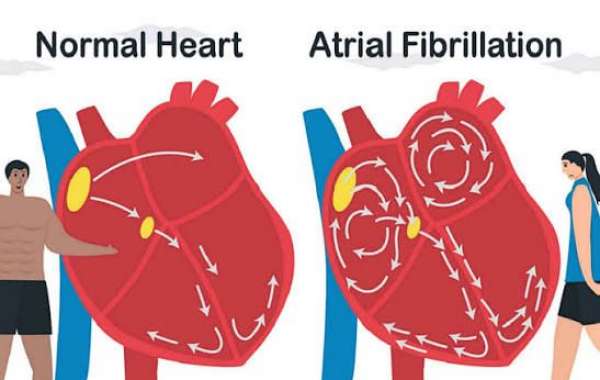
Atrial fibrillation, commonly called AFib, is an irregular heart rhythm that can cause a fast or uneven heartbeat. Some people notice palpitations, tiredness, shortness of breath, dizziness, or reduced exercise tolerance, while others have few or no obvious symptoms.
Because AFib can increase the risk of blood clots and stroke, proper medical assessment and treatment are important. Modern atrial fibrillation management may include medicines, lifestyle changes, procedures, and regular monitoring, depending on an individual's risk factors and symptoms.
Many people also ask whether natural approaches can support heart health alongside their prescribed treatment. This has increased interest in Organic Health Supplements, Natural Supplements for Atrial Fibrillation, and Herbal Remedies Atrial Fibrillation.
Herbal products may have a role as complementary health products in some situations, but they should not be considered a replacement for anticoagulants, heart-rate medicines, rhythm-control treatment, or other treatment prescribed for AFib.
What Is Atrial Fibrillation?
Atrial fibrillation occurs when the upper chambers of the heart, called the atria, beat irregularly instead of following a normal coordinated rhythm.
The irregular electrical activity can affect how efficiently the heart pumps blood. AFib can occur intermittently or persist for longer periods. Some people experience occasional episodes, while others have persistent or long-standing AFib.
Common symptoms include:
- Heart palpitations
- An irregular or rapid heartbeat
- Shortness of breath
- Fatigue
- Weakness
- Dizziness or light-headedness
- Reduced ability to exercise
- Chest discomfort
Some people have AFib without noticeable symptoms, which is why medical monitoring can be important.
One of the major concerns is stroke. When the atria do not contract normally, blood can pool in the heart and potentially form a clot. If a clot travels to the brain, it can cause an ischaemic stroke.
For this reason, stroke prevention is a central part of AFib management. Current guidelines recommend assessing an individual's risk of stroke and using anticoagulation when appropriate.
Can Herbal Remedies Help With Atrial Fibrillation?
Herbal remedies may support general health, but there is not enough evidence to conclude that a particular herbal supplement can safely treat AFib, restore normal heart rhythm, or replace established medical treatment.
This distinction is important.
A supplement marketed for heart health may contain ingredients traditionally used for cardiovascular wellness, antioxidant support, or general wellbeing. However, traditional use does not necessarily demonstrate that an ingredient can control an abnormal heart rhythm.
The safest approach is to think of herbal products as potential complementary support, rather than as a treatment for AFib itself.
For example, a person with AFib may use healthy nutrition, appropriate physical activity, stress management, good sleep, and carefully selected supplements as part of an overall wellness plan. These measures should complement, rather than replace, medical care.
The 2023 ACC/AHA/ACCP/HRS AFib guideline identifies lifestyle and risk-factor modification as important components of AF management, including physical activity, weight management where appropriate, smoking cessation, alcohol moderation, blood-pressure management, and management of other health conditions.
What Are Organic Health Supplements?
Organic Health Supplements are products marketed as nutritional or botanical support and may contain herbs, plant extracts, vitamins, minerals, or other naturally derived ingredients.
The word "organic" does not automatically mean that a supplement is effective or suitable for someone with AFib.
Quality, dosage, formulation, manufacturing standards, and interactions all matter.
Before using an Organic Health Supplements product for heart health, consider:
- What ingredients does it contain?
- What is the amount of each ingredient?
- Does it interact with your medicines?
- Is it appropriate for your medical history?
- Does the manufacturer provide clear product information?
- Has your doctor or pharmacist reviewed the product?
These questions become especially important if you take anticoagulants or medicines that control heart rate or rhythm.
Natural Supplements for Atrial Fibrillation: What Should You Know?
Searches for Natural Supplements for Atrial Fibrillation often lead people towards herbs and nutritional products promoted for cardiovascular support.
However, natural does not necessarily mean risk-free.
Some supplements can affect blood clotting, blood pressure, heart rate, or the way medicines are metabolised. Certain products may also have inconsistent ingredient concentrations.
For someone with AFib, these effects can be important.
For example, people taking warfarin need to be particularly careful about adding herbs, vitamins, or other supplements. The American Heart Association advises people taking warfarin to consult a healthcare professional before taking new herbs or vitamins because they can alter the medicine's effects.
The NHS also advises people taking anticoagulants to speak with their doctor, anticoagulant clinic, or pharmacist before taking herbal remedies or supplements.
Herbal Remedies Atrial Fibrillation: Why Caution Matters
The phrase Herbal Remedies Atrial Fibrillation can suggest that herbs directly treat the abnormal rhythm. However, evidence for specific herbal products in AFib is limited and varies considerably between ingredients.
Some herbs have effects on blood pressure, blood clotting, or medication metabolism. Others may affect the cardiovascular system in ways that are not desirable for someone with an irregular rhythm.
For this reason, avoid assuming that an herb is safe simply because it is natural.
A healthcare professional should know about:
- Herbal capsules
- Herbal powders
- Herbal teas used medicinally
- Tinctures
- Botanical extracts
- Vitamins and minerals
- Combination supplements
- Traditional or complementary medicines
Keeping a complete list of everything you take can help your doctor or pharmacist identify possible interactions.
Supplements and Blood Thinners
This is one of the most important safety considerations.
Some people with AFib require anticoagulants to reduce their risk of stroke. Common anticoagulants include medicines such as apixaban, dabigatran, edoxaban, rivaroxaban, and warfarin. The appropriate medicine depends on the person's circumstances.
Adding a supplement without checking first may interfere with treatment.
For example, the American Heart Association notes that St John's wort can weaken the effects of several medicines, including warfarin and some cardiovascular drugs. It also notes that vitamin E can increase anticoagulant activity when taken with warfarin, potentially increasing bleeding risk.
This does not mean every herbal product is unsafe. It means that people taking blood thinners should not independently add supplements without professional advice.
Never stop or reduce an anticoagulant because you want to use an herbal remedy instead.
Can Herbs Help Support Heart Health Indirectly?
A more realistic role for herbal products is supporting general wellbeing rather than directly controlling AFib.
For example, some people use nutritional supplements as part of a broader approach to:
- Maintaining a balanced diet
- Supporting general nutritional status
- Maintaining healthy lifestyle habits
- Supporting overall cardiovascular wellness
- Complementing an existing health routine
However, the specific benefit depends on the ingredient, dosage, health status, and evidence available.
An important distinction is that supporting general health is different from treating an arrhythmia.
A supplement should therefore not be promoted as a substitute for an ECG, medical diagnosis, anticoagulation assessment, prescribed medicine, cardiology review, or rhythm-management strategy.
Lifestyle Measures Remain Important
Lifestyle management can play an important role in AFib care.
Current guidelines emphasise addressing cardiovascular risk factors and related health conditions. These include blood pressure, weight, physical activity, smoking, alcohol consumption, and other conditions that may contribute to AFib.
1. Maintain a Heart-Healthy Diet
Focus on a varied diet containing vegetables, fruits, whole grains, legumes, appropriate protein sources, and healthy fats.
If you take warfarin, do not suddenly make major changes to your intake of vitamin-K-rich foods without discussing this with your anticoagulation team. Consistency is important because dietary changes can affect warfarin management.
2. Stay Physically Active
Appropriate physical activity can support cardiovascular health. Your exercise plan should match your age, fitness level, symptoms, and other medical conditions.
If exercise triggers significant palpitations, dizziness, chest pain, or breathlessness, stop and seek medical advice.
3. Manage Blood Pressure
High blood pressure is an important cardiovascular risk factor. Regular monitoring and following your prescribed treatment can form part of a broader AFib management plan.
4. Limit Alcohol
Alcohol can be an important AFib trigger for some people. If you notice that episodes occur after drinking, discuss this pattern with your healthcare professional.
5. Avoid Smoking
Stopping smoking supports cardiovascular health and can reduce exposure to several factors associated with heart disease.
6. Prioritise Sleep
Poor sleep and sleep-related breathing disorders can affect cardiovascular health. If you regularly snore heavily, wake gasping, or feel excessively sleepy during the day, discuss the possibility of sleep apnoea with a healthcare professional.
What About Herbs Solutions By Nature?
People searching for Herbs Solutions By Nature may be interested in botanical products as part of a natural wellness programme.
A responsible approach is to look at the product as a complementary supplement rather than claiming that it can cure AFib or prevent stroke.
Before using any herbal product, check:
Ingredients: Make sure every active ingredient is clearly listed.
Dosage: Follow the manufacturer's instructions and do not assume that taking more will provide greater benefits.
Interactions: Ask your doctor or pharmacist to check the product against your prescription medicines.
Medical conditions: Kidney disease, liver disease, pregnancy, bleeding disorders, and cardiovascular conditions can affect supplement safety.
Monitoring: Tell your healthcare professional that you are taking the product so that it can be considered during future appointments.
If a product contains multiple herbs, checking the complete formulation is particularly important because interactions can involve more than one ingredient.
Can Herbal Supplements Replace AFib Medication?
No.
Herbal supplements should not be used as a replacement for prescribed AFib treatment without medical supervision.
Depending on the individual, AFib treatment may involve:
- Anticoagulant medication to reduce stroke risk
- Medicines to control heart rate
- Medicines to control heart rhythm
- Cardioversion
- Catheter ablation
- Treatment of underlying cardiovascular conditions
- Lifestyle and risk-factor management
The appropriate treatment depends on the type of AFib, symptoms, stroke risk, other health conditions, and individual circumstances.
If you are already taking AFib medication, continue taking it as prescribed unless your healthcare professional tells you otherwise.
When Should You Speak With Your Doctor?
Talk with your doctor or pharmacist before starting an herbal supplement if you have AFib, particularly if you take:
- Warfarin
- Apixaban
- Rivaroxaban
- Dabigatran
- Edoxaban
- Aspirin
- Blood-pressure medication
- Heart-rate medication
- Antiarrhythmic medication
You should also seek advice if you have kidney disease, liver disease, a history of bleeding, heart failure, or another significant cardiovascular condition.
Tell your healthcare professional about all supplements you use, even if you purchased them without a prescription.
When Is AFib an Emergency?
Do not rely on an herbal remedy if you develop potentially serious symptoms.
Seek urgent medical attention for symptoms such as:
- Severe or worsening chest pain
- Severe difficulty breathing
- Fainting
- New severe dizziness
- Sudden weakness or numbness
- Difficulty speaking
- Facial drooping
- Sudden confusion
- Other symptoms suggesting a stroke or serious cardiovascular problem
Atrial fibrillation can be associated with serious complications, so new or severe symptoms require appropriate medical assessment.
A Practical Approach to Natural Support
If you want to include natural products in your AFib wellness routine, consider a simple approach:
Step 1: Get your diagnosis confirmed.
An irregular heartbeat should be medically evaluated rather than assumed to be AFib.
Step 2: Understand your stroke risk.
Ask your healthcare professional whether anticoagulation is appropriate for you.
Step 3: Review your medicines.
Know what each medicine does and why you take it.
Step 4: Discuss supplements before using them.
Give your doctor or pharmacist the complete ingredient list.
Step 5: Focus on lifestyle foundations.
Healthy eating, appropriate physical activity, blood-pressure control, smoking cessation, healthy weight management where appropriate, good sleep, and sensible alcohol use can all form part of comprehensive AFib care.
Step 6: Monitor your symptoms.
Keep track of palpitations, heart rate readings when appropriate, triggers, dizziness, breathlessness, and other changes.
Step 7: Continue medical follow-up.
Natural products should complement ongoing care rather than replace it.
Frequently Asked Questions
Can herbal remedies cure atrial fibrillation?
There is not enough reliable evidence to say that herbal remedies can cure atrial fibrillation. AFib requires appropriate medical assessment and management.
Are Natural Supplements for Atrial Fibrillation safe?
Safety depends on the specific ingredients, dosage, medical conditions, and medicines you take. Some supplements can interact with anticoagulants and other cardiovascular medicines.
Can I take herbal supplements while using a blood thinner?
Do not start an herbal supplement without checking with your doctor or pharmacist. Herbal products can potentially alter the effects of anticoagulants and may increase or decrease their effectiveness.
Are Organic Health Supplements a replacement for AFib medication?
No. Organic Health Supplements should not replace prescribed anticoagulants, heart-rate medicines, rhythm-control treatment, or other medical care.
What is the safest way to use herbal products with AFib?
Tell your healthcare professional about every supplement you take, provide the complete ingredient list, follow the recommended dosage, and continue your prescribed AFib treatment unless your healthcare professional changes it.
Final Thoughts
Herbal products may appeal to people looking for natural ways to support their cardiovascular wellbeing. Organic Health Supplements, Natural Supplements for Atrial Fibrillation, and other botanical products can be considered within a broader wellness strategy, but they should not be presented as proven treatments for atrial fibrillation.
The strongest foundation for AFib management remains appropriate medical care, stroke-risk assessment, prescribed treatment when indicated, lifestyle modification, and regular follow-up.
If you are interested in Herbal Remedies Atrial Fibrillation or products associated with Herbs Solutions By Nature, discuss the specific ingredients with a qualified healthcare professional before starting them. This is particularly important if you take an anticoagulant or another medicine affecting your heart rhythm, heart rate, or blood pressure.
Natural support can be part of a health routine, but it should work alongside evidence-based AFib care, not instead of it.
Medical Disclaimer
This article is for general educational purposes only and does not diagnose, treat, cure, or prevent atrial fibrillation or any other medical condition. Herbal supplements and other complementary products can interact with prescription medicines and may not be appropriate for everyone. Always speak with a qualified doctor or pharmacist before starting, stopping, or changing a supplement or prescribed medicine. If you experience severe chest pain, severe breathing difficulty, fainting, or symptoms of a stroke, seek emergency medical attention immediately.