
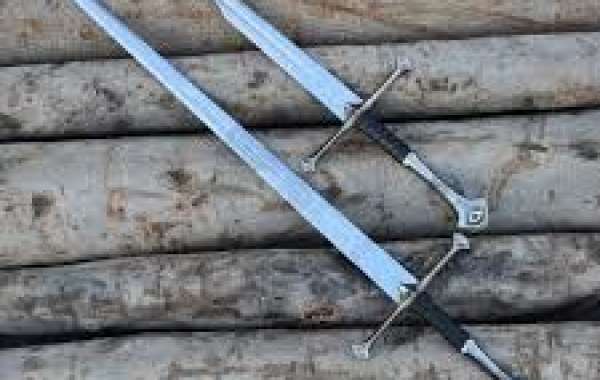
Buying swords wholesale is different from choosing one piece for a personal collection. A single sword can look impressive in a photo, but a shop needs every unit in an order to match the description customers see. That makes consistency just as important as appearance.
The first step is to decide what you plan to stock. A decorative replica, a cosplay piece, and a functional sword serve different buyers. Ask the supplier to describe each product clearly, including its intended use, blade material, dimensions, weight, and what comes in the box. Avoid relying on a product name or a photo alone.
Start with a sample. Check the finish in person: is the handle secure, does the scabbard fit, and are there visible marks or loose parts? Compare the sample with the written specifications. If you place a bulk order, agree that the same specifications will apply to every unit.
Before paying, confirm the minimum order quantity for each design, prices at different quantities, production time, packaging, and how the supplier handles items that arrive damaged or differ from the approved sample.
Packaging deserves its own conversation. Ask how the sword is kept from moving inside its box and how any sharp or protruding parts are protected. A good-looking sample is less useful if the order reaches your shop damaged.
For international orders, discuss shipping before you commit to a quantity. Confirm what documents the supplier will provide and check the import requirements for the country where you’ll receive the order.
Finally, calculate your landed cost, not just the quoted unit price. Add shipping, applicable duties, taxes, and an allowance for damaged stock. That gives you a more useful number when setting a retail price.
If you’ve bought replica swords wholesale, what caused more trouble in your first order: product consistency, packaging, or shipping?