Silver has been part of human commerce and craftsmanship for centuries, and it continues to attract attention from collectors and precious-metal enthusiasts today. Unlike decorative silver items, bullion bars are designed primarily around measurable metal content, making weight and purity central to the buying process. With options ranging from small one-ounce pieces to larger bars, silver bullion can fit different collecting styles and purchasing goals. Knowing what to look for before buying can make it easier to compare products, understand pricing, and choose silver that suits your needs.
Understanding Silver Bars for Sale
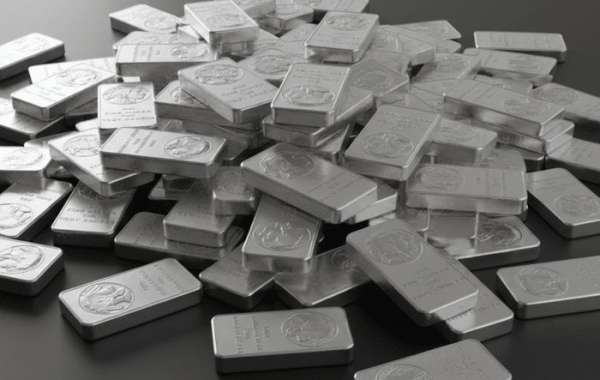
When searching for silver bars for sale, buyers will quickly discover that bullion comes in many different sizes, designs, and brands. Some bars are small enough to store individually, while larger formats contain substantially more silver in a single piece. The right choice depends on factors such as budget, storage preferences, intended use, and interest in specific refiners or designs.
A silver bar is generally valued primarily according to its silver content, but the final retail price can also include a premium. Manufacturing, refining, distribution, brand recognition, and market demand may all contribute to that difference. Understanding these factors gives buyers a stronger foundation for comparing products.
Why Choose Silver Bars?
Silver bars have several characteristics that make them appealing to bullion buyers. Unlike collectible coins, which can have significant numismatic considerations, bars are often straightforward products where weight and purity are easy to identify.
They can also be available in a wide range of sizes. Someone beginning to explore physical silver might prefer a smaller bar, while an experienced buyer may be interested in larger formats.
Some of the potential advantages include:
- Clearly stated silver weight
- High-purity bullion options
- Multiple sizes and formats
- Easy organization and storage
- Variety of refiners and designs
- Options for both new and experienced buyers
The simplicity of a silver bar is part of its appeal.
Common Silver Bar Sizes
One of the most important differences between silver bars is their weight. Choosing the right size can depend heavily on how someone plans to store and manage their collection.
Common formats include:
1-ounce bars: Compact and easy to handle, making them popular with people who prefer smaller individual pieces.
5-ounce bars: A middle-ground option that provides more silver per piece without becoming especially large.
10-ounce bars: A familiar bullion size that balances portability with a larger quantity of silver.
1-kilogram bars: Designed for buyers who want a substantial amount of silver in one bar.
Larger bars may reduce the number of individual pieces that need to be stored, while smaller bars provide more flexibility when managing individual units.
What Is the Premium on a Silver Bar?
The price of a silver bar usually does not match the spot price of silver exactly. The difference is commonly referred to as the premium.
Several things can influence a bar's premium, including manufacturing costs, refining, packaging, distribution, brand recognition, product availability, and market demand.
For buyers, the important point is to compare products based on their total price and actual silver content. A bar with a lower advertised premium is not necessarily the best fit if its specifications, authenticity, or size do not match the buyer's goals.
Understanding premiums also makes it easier to compare bars with silver coins and other bullion products.
Choosing Between Silver Bars and Coins
Silver bars and coins can both provide exposure to physical silver, but they offer different characteristics.
Bars are generally favored for their straightforward bullion format. Coins may appeal more strongly to collectors because they often feature government-issued designs, denominations, historical themes, or recognizable national symbols.
A buyer who enjoys collecting artwork and different coin designs may prefer coins. Someone who wants silver in standardized bar formats may lean toward bullion bars.
There is also nothing preventing a collection from containing both. Many collectors enjoy having a mixture of coins and bars because each format offers something different.
Selecting a Silver Bar Manufacturer
The producer of a silver bar can be an important consideration. Well-established refiners and mints often provide clearly marked products with recognizable specifications.
Look for markings that identify the bar's:
- Weight
- Purity
- Manufacturer or refiner
- Silver content
- Serial information, when applicable
Recognizable markings can make it easier to identify and document individual pieces.
Buyers should also consider the reputation of the source selling the bar. Clear product descriptions and transparent purchasing information can make the buying experience more straightforward.
Buying Silver Bars for a Collection
Not every silver buyer approaches bullion in exactly the same way. Some people collect bars because they enjoy their designs, while others focus almost entirely on silver weight.
A collection might be organized around:
- A particular refiner
- Specific bar sizes
- Vintage silver bars
- Themed designs
- Limited releases
- One-ounce pieces
- Larger investment bars
There is no requirement to follow a particular collecting method. Starting with a simple theme can make the hobby more enjoyable and give the collection a sense of direction.
Selling Silver Bars
The process does not end with buying. Silver bars can also be sold later, whether the owner is reorganizing a collection, changing their holdings, or simply deciding to part with certain pieces.
Before selling, keep original packaging and documentation whenever possible. Avoid modifying or cleaning bars unnecessarily, especially products with distinctive finishes or collectible characteristics.
A seller should also understand that the offer for a silver bar may depend on current market conditions, the bar's weight and purity, product recognition, and buyer demand.
Building a Silver Collection Over Time
A silver collection does not have to be built all at once. Starting with a few bars can provide an opportunity to learn about different weights, refiners, storage methods, and market terminology.
As experience grows, buyers may become more interested in specialty bars, vintage products, larger formats, or particular manufacturers. Keeping good records from the beginning makes it easier to understand the collection later.
Whether the goal is collecting, gifting, or simply owning physical silver, patience and research can help create a more organized approach.
Explore Silver Bullion Options
Silver bars offer a straightforward way to explore physical precious metals while providing plenty of variety in terms of weight, design, manufacturer, and format. From compact one-ounce bars to larger bullion products, buyers can choose pieces that fit their individual collecting interests and storage preferences. For people researching silver bullion, Leifs Coins can be a useful resource for exploring silver bars, coins, gold products, and other precious-metal options. Taking time to understand purity, premiums, weight, authenticity, and storage can make the process of buying silver both more informed and more enjoyable.
Frequently Asked Questions
1. What are silver bars made from?
Many modern bullion bars are made from .999 fine silver, containing 99.9% pure silver.
2. What sizes are silver bars available in?
Common sizes include 1 oz, 5 oz, 10 oz, and 1-kilogram bars, with other formats also available.
3. Why does a silver bar cost more than the spot price of silver?
The additional amount is generally a premium covering factors such as production, refining, packaging, distribution, and demand.
4. Are silver bars better than silver coins?
Neither format is universally better, as bars emphasize bullion content while coins may offer additional collectible and design appeal.
5. How should silver bars be stored?
Keep silver bars in a secure, dry environment and use suitable protective packaging to reduce scratches and unnecessary handling.