
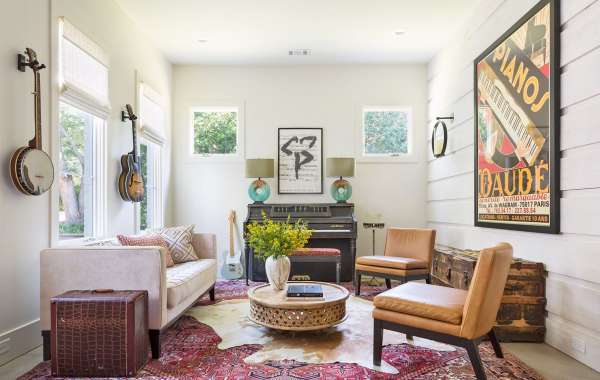
Mid-century modern furniture is one of the most recognizable and enduring design styles in interior décor. Known for its clean lines, functional forms, natural materials, and understated elegance, this style emerged during the middle of the 20th century and continues to influence modern homes today. For beginners, understanding its defining characteristics makes it easier to identify authentic pieces and create a cohesive interior. Whether you are furnishing an entire home or choosing one statement piece, mid-century modern design offers a practical balance between beauty and everyday comfort.
Understanding the Origins of Mid-Century Modern Furniture
The mid-century modern movement developed primarily during the 1940s through the 1960s, although its design influences began earlier and continued beyond that period. Designers responded to changing lifestyles by creating furniture that was practical, visually simple, and suitable for increasingly modern homes. Advances in manufacturing also made new materials and production techniques more accessible. As a result, mid-century modern furniture combined craftsmanship with innovative construction, creating pieces that felt contemporary without being overly decorative or complicated.
The style was influenced by European modernism, the Bauhaus movement, Scandinavian design, and American industrial innovation. Designers focused on the relationship between form and function, believing furniture should serve a purpose while remaining visually appealing. This approach helped eliminate unnecessary ornamentation and encouraged streamlined silhouettes. Although the original period has passed, the principles behind mid-century design remain relevant because they complement contemporary lifestyles and work well in both traditional and modern interiors.
Key Characteristics of Mid-Century Modern Design
One of the easiest ways to recognize mid-century modern furniture is through its clean, uncomplicated shape. Sofas often feature straight or gently curved profiles, while tables and chairs commonly have tapered legs that create a sense of visual lightness. Instead of heavy decoration, the design relies on proportions, materials, texture, and craftsmanship. Wood grain is frequently visible, while upholstery may introduce subtle color or geometric patterns. The overall appearance is intentional, balanced, and functional without feeling overly formal.
Natural materials are another important feature of this design style. Teak, walnut, oak, and other woods were widely used for tables, cabinets, chairs, and storage pieces. Designers also experimented with molded plywood, fiberglass, metal, glass, and durable upholstery fabrics. These materials allowed furniture makers to explore new shapes while maintaining practical performance. When shopping for mid-century pieces, examining the construction, joinery, materials, proportions, and overall condition can help distinguish a thoughtfully designed piece from a modern product that simply imitates the appearance.
Why Mid-Century Dining Furniture Remains Popular
Dining tables often have slim profiles and carefully proportioned legs, creating an open appearance that can make a room feel larger. Mid-century dining furniture is especially appealing because dining spaces benefit from the style's combination of comfort, functionality, and visual simplicity. Matching or complementary dining chairs may feature molded seats, upholstered cushions, or sculptural wooden frames. This combination provides a practical dining environment while giving the room a distinctive design character without overwhelming the surrounding décor.
A mid-century dining room does not necessarily need to contain furniture from the same original collection. Mixing complementary pieces can create a more natural and collected appearance. For example, a wooden dining table can be paired with upholstered chairs, a contemporary pendant light, and a vintage-inspired sideboard. The key is maintaining visual harmony through proportions, materials, and color. Buyers should also consider the table's dimensions, chair comfort, seating capacity, and construction quality rather than selecting a piece based solely on its appearance.
How to Choose Authentic and Quality Pieces
When purchasing mid-century modern furniture, beginners should look beyond the label and evaluate the actual construction. A quality piece should feel stable, appropriately weighted, and well assembled, with drawers, doors, joints, and hardware operating smoothly. Wood furniture should be examined for excessive warping, severe damage, or poorly executed repairs. Upholstered pieces deserve attention to fabric condition, cushioning, frame integrity, and signs of structural wear. These practical checks can help buyers make more informed decisions whether they are purchasing vintage, restored, or newly manufactured furniture.
Authenticity can be more difficult to establish, particularly when shopping for vintage designer pieces. Documentation, manufacturer markings, original labels, provenance, construction details, and reputable seller information can all provide useful clues. However, not every excellent mid-century-inspired piece needs to be a collectible or designer original. A well-made reproduction can still deliver the aesthetic and functional benefits of the style. For beginners, deciding whether the priority is historical authenticity, craftsmanship, design appearance, or affordability can make the buying process much clearer.
Decorating Your Home With Mid-Century Modern Furniture
Creating a mid-century-inspired interior does not require replacing every item in a room. In many cases, one or two carefully selected pieces can establish the desired aesthetic. A walnut sideboard, sculptural lounge chair, streamlined coffee table, or classic dining set can become a focal point. Keep surrounding décor relatively simple so the furniture remains visually important. Neutral walls, natural textures, simple lighting, and a restrained selection of decorative objects can help reinforce the clean character associated with the style.
Color can also play an important role in creating a convincing mid-century atmosphere. Earthy shades such as walnut brown, olive, mustard, rust, cream, and warm neutrals work naturally with the period's materials. However, a room does not need to follow a strict vintage color palette. Contemporary artwork, modern rugs, plants, and subtle metallic accents can work alongside mid-century pieces. The goal is to create balance rather than reproduce a historical showroom. Combining old and new elements can make the space feel personal, comfortable, and suitable for everyday living.
Caring for Mid-Century Furniture and Making It Last
Proper care is essential when investing in quality furniture, especially vintage wooden pieces. Dust should be removed regularly using gentle cleaning methods appropriate for the material and finish. Direct sunlight, excessive moisture, and extreme temperature changes can affect wood, upholstery, and other materials over time. Dining tables may require additional attention because food, liquids, and frequent use can place greater demands on their surfaces. Following the manufacturer's or restorer's recommended care instructions is generally safer than applying harsh household cleaners.
Restoration should also be approached carefully. Minor scratches, loose hardware, or worn finishes may sometimes be addressed without significantly changing a piece's character. However, aggressive refinishing can remove original details and potentially reduce the historical value of collectible furniture. For valuable vintage items, consulting an experienced furniture restorer before making major changes can be worthwhile. With appropriate care, well-constructed furniture can remain functional for decades, which is one reason this design movement continues to attract homeowners, collectors, and interior designers.
Why Mid-Century Modern Style Still Works Today
The lasting appeal of mid-century modern furniture comes from its ability to combine practical living with strong visual design. Its emphasis on useful forms, comfortable proportions, quality materials, and uncluttered silhouettes fits naturally into today's interiors. The style can work in apartments, family homes, offices, dining rooms, and open-plan spaces without requiring an elaborate decorating scheme. Rather than depending on short-lived trends, its fundamental design principles provide a flexible foundation that can adapt as a homeowner's needs and tastes change.
For beginners, the best approach is to focus on the characteristics that make the style useful and distinctive rather than trying to follow rigid rules. Look for clean lines, thoughtful proportions, functional construction, natural materials, and carefully considered details. Whether you choose vintage originals, restored classics, or contemporary interpretations, the right pieces should complement the way you actually live. With a thoughtful selection of materials, colors, and furniture forms, mid-century design can bring warmth, character, and timeless simplicity to a modern home.